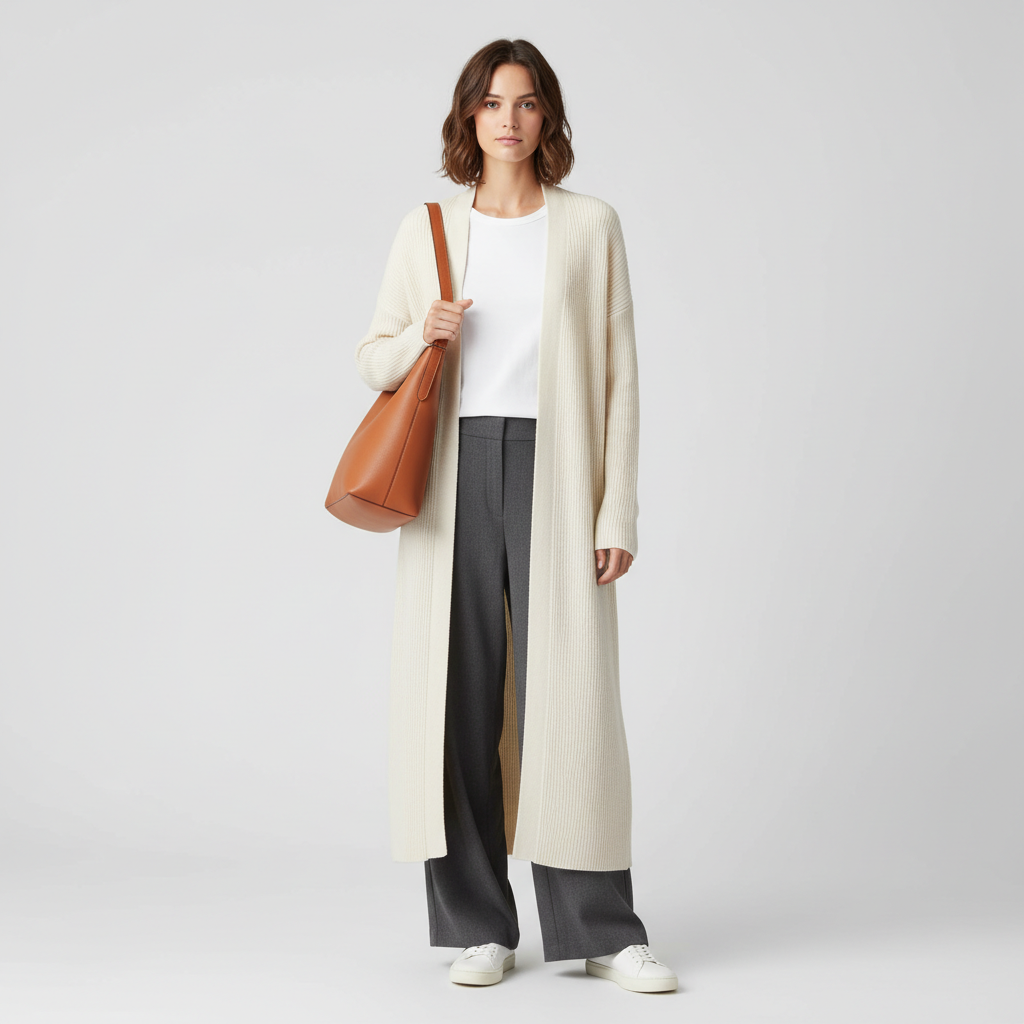
An airport outfit has exactly one design brief that every other outfit type lacks: it needs to function across a 14-hour window that begins at a 5am check-in, passes through a security queue, a four-hour flight, a three-hour layover, a second flight, immigration, baggage claim, a taxi, and ends at hotel check-in. No other occasion asks an outfit to perform at this range. The outfit that fails security (too many metal accessories, a belt that requires full removal, boots that create a queue) starts the experience badly. The outfit that's comfortable on the flight but looks like sleepwear at the hotel check-in finishes it badly.
The solution that professional travellers have arrived at is not athleisure (though its comfort logic is sound) and not a version of their normal wardrobe (though its appearance logic is sound) — it's a specific category of clothing that sits at the intersection of both. The pieces that travel best are: wide-leg trousers or quality joggers in a fabric that doesn't wrinkle (scuba, ponte, or a heavy jersey), a long cardigan or oversized jacket that doubles as a blanket, layers that account for the 15-degree temperature difference between the departure gate and the destination, and shoes that can pass through security without full removal and walk through cobblestones without discomfort.
The airport outfit is also a reputation management decision in a way that few dressing situations are. You will be photographed at immigration, possibly for the record you'll be grateful didn't exist. You'll be assessed at the hotel check-in desk and at the first restaurant you enter in a new city. The outfit that reads as pulled-together in all of these contexts is not the most comfortable option available — but it is the most comfortable option that also meets the appearance requirements of the journey's end.
The Airport Outfit Formula: Comfort and Appearance in the Same Equation
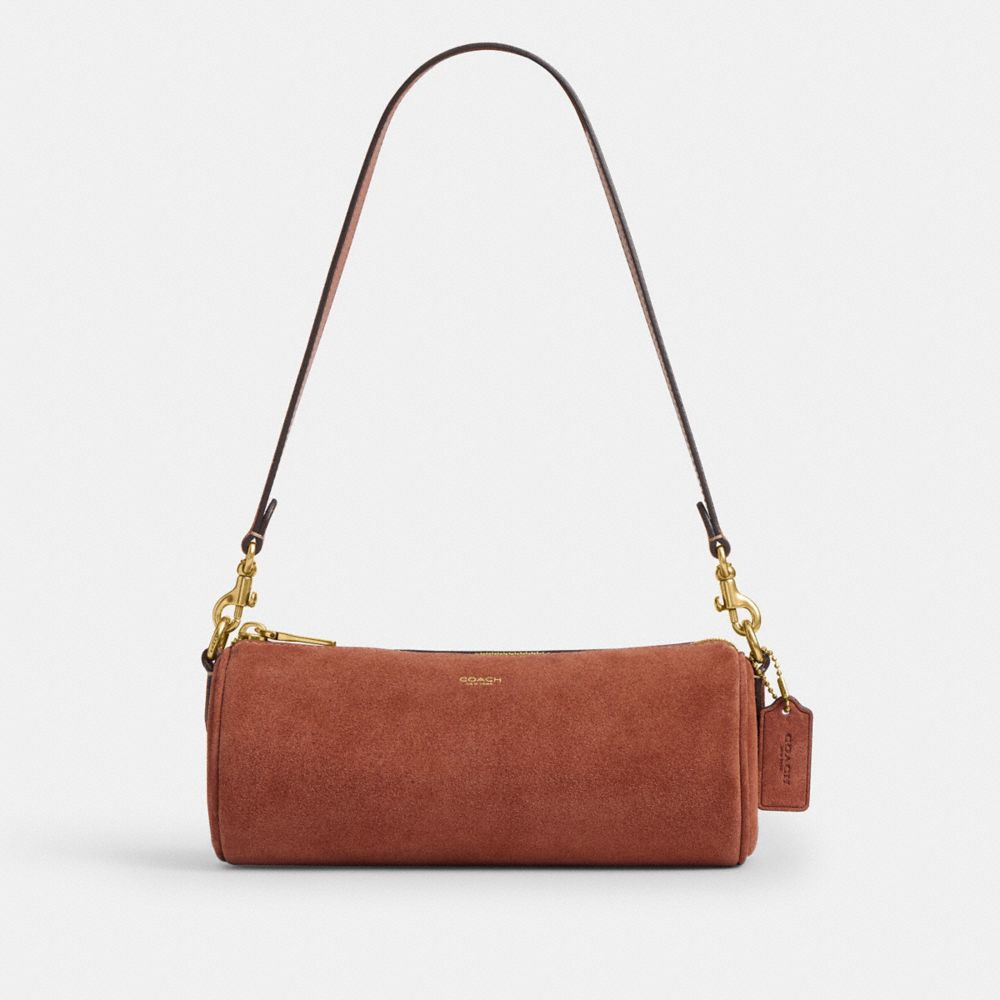
The airport outfit formula has four components, each solving a different problem. Component one: a no-wrinkle bottom. The options are ponte trousers, quality joggers in a heavyweight jersey, linen-blend wide-leg trousers (for warm destinations), or a jersey midi skirt. Denim fails this test — it's stiff, slow to dry, and heavy in carry-on. Tailored wool trousers fail it too: beautiful on arrival, deeply uncomfortable after four hours in a cabin seat. Component two: a layer that adapts to 20°C of temperature variation. An oversized cardigan, a lightweight down jacket, or a quality oversized denim jacket — something removable and packable that transitions between the polar vortex of an over-air-conditioned terminal and the warmth of the destination. Component three: slip-on or easy-on footwear. Trainers, loafers, or slip-on mules — anything that removes at security without requiring full untying or complex buckle systems. Component four: one bag large enough to contain an emergency change of clothes, all documents, and electronics — because checked luggage is always a risk, and the airport bag should be able to serve as your only bag for 24 hours if needed.
What to Wear for a Long-Haul Flight vs. a Short-Haul Flight
Long-haul flights (over six hours) require different priorities than short-haul. For long-haul: prioritise the comfort of the seat position above all else — this means no waistband that digs during prolonged sitting (elastic waist trousers or ponte fabric), no compression at the thigh or calf (wide-leg is the correct silhouette), and footwear that accommodates foot swelling during a long flight (trainers with laces can be loosened; loafers should be sized slightly generously). For long-haul, wear your heaviest, bulkiest pieces on the plane — your coat, your heaviest boots if they're in the plan — to reduce carry-on weight. For short-haul flights (under three hours): the comfort tolerance is higher because the duration is manageable — you can wear a fitted blazer and pointed-toe boots on a 90-minute flight without significant discomfort. The priority shifts from compression-management to looking pulled-together at the destination, which you'll reach quickly. The outfit consideration changes accordingly: for a 90-minute flight to a business meeting, dress for the meeting with minor comfort concessions; for a 14-hour flight to a leisure destination, dress for the flight with minor appearance concessions.
The Packing Wardrobe: How Your Airport Outfit Connects to Your Travel Wardrobe
The best airport outfits are the first chapter of a considered travel wardrobe rather than a separate category of clothing assembled only for travel days. The pieces that work in the airport formula (wide-leg ponte trousers, long cardigan, white tee, leather trainers, large tote) are also the foundation of a five-day capsule travel wardrobe: the trousers work with three different tops across three occasions; the cardigan layers over dresses, tees, and blouses; the trainers go from a museum day to a casual dinner. When your airport outfit is built from pieces that integrate with your destination wardrobe rather than sitting outside it, you save check-in weight, reduce decision-making at the other end, and arrive looking like someone who dressed for the journey — not someone who changed into their real clothes on the other side.
The Security Checkpoint: Outfit Choices That Save Ten Minutes
Security is a solvable problem with the right outfit decisions. The pieces that create friction: belts with metal buckles (remove, re-thread, re-buckle — add two minutes minimum), knee-high or thigh-high boots with complex lacing (remove, replace, lace — add four minutes), layered metal jewellery that triggers the scanner (remove, place in tray, replace — add one minute per piece), structured underwire bras that sometimes trigger alarms (minimal underwire or non-wired bralettes for long travel days), and heavy coats with multiple pockets that require emptying. The outfit that passes quickly: slip-on leather trainers (loosen, slide off, slide back — thirty seconds), elastic-waist or no-belt trousers, a single fine gold chain necklace that almost never triggers scanners, and a layer (cardigan or lightweight jacket) that comes off and on without ceremony. Pre-paid security lanes and TSA PreCheck make most of this irrelevant if you travel frequently enough to justify the cost — but the outfit logic is still the baseline.
What is the best thing to wear to an airport?
The best airport outfit combines three qualities: it's comfortable for prolonged sitting and walking (wide-leg ponte or jersey trousers, a long cardigan layer, slip-on or easy-on shoes), it's visually pulled-together for the contexts at the journey's end (hotel check-in, first impression in a new city), and it passes through security without friction (no complex belts, minimal metal jewellery, easy-off footwear). The specific formula: a no-wrinkle trouser in ponte or jersey, a quality layer like an oversized cardigan or lightweight jacket, a fitted basic on the foundation layer, white leather trainers, and a large tote that carries everything you need for the journey without requiring a second bag.
Is it okay to wear leggings or sweats to the airport?
Leggings are genuinely comfortable for long-haul travel, and there's no formal prohibition on wearing them — you will board the plane. But they narrow your options considerably at the journey's end: arriving at a hotel in leggings and a hoodie signals a different level of intentionality than arriving in ponte wide-legs and a cardigan, and the transition to destination dressing takes longer when you've started further from the baseline. If comfort is the absolute priority for a very long flight, the compromise is high-quality performance leggings in black worn with a proper oversized blazer or long cardigan and leather trainers — the blazer and quality footwear shift the register enough to work in most arrival contexts.
What shoes should I wear to the airport?
The airport shoe hierarchy: clean leather trainers are the most versatile option — they work in security (slip-on or quick-tie), on the plane (cushioned sole), and on arrival in most casual and smart-casual contexts. Loafers in leather are the smart-casual alternative — slightly less comfortable than trainers for long walking distances but more appropriate for arrivals that go directly into professional or smart-casual contexts. Slip-on sneakers in a minimal style are the comfort-first option. What to avoid: stilettos or heeled sandals (impractical for security and airport walking distances), heavily laced boots that slow security (wear these on your feet to save carry-on space, but factor the time cost at security), and rubber flip-flops (they work nowhere except the beach).
What should I wear on a long-haul international flight?
For a long-haul flight (eight hours or more): prioritise compression management above all else. Wide-leg ponte trousers or quality joggers with a drawstring waist are the two best options. A long cardigan or lightweight down jacket for the cabin's cold. Slip-on trainers or loafers that can be removed during the flight. A neck pillow that works with your outfit rather than creating a tangle with scarves and jewellery. Keep metal jewellery minimal for the security ease and the sleep ease. Bring a change of essential layers in your carry-on — even if you wear the same outfit out of the airport, a fresh tee and clean socks transform the arrival experience after a night flight.
How do I look stylish at the airport without being uncomfortable?
The style-comfort balance is solved by understanding that comfort and appearance are functions of fabric and silhouette, not of how tight or casual a garment is. Wide-leg ponte trousers are as comfortable as sweatpants and look like tailored trousers. A long ribbed cardigan is as warm as a hoodie and looks like outerwear. White leather trainers are as easy as canvas sneakers and look like a considered shoe choice. The translation: swap every comfort piece you currently wear to the airport for a higher-quality version with better drape and construction, and the appearance changes while the comfort remains. The specific upgrades that have the biggest visual impact: ponte trousers instead of leggings, a long cardigan instead of a zip hoodie, leather trainers instead of athletic trainers, and a structured tote instead of a backpack.